In short
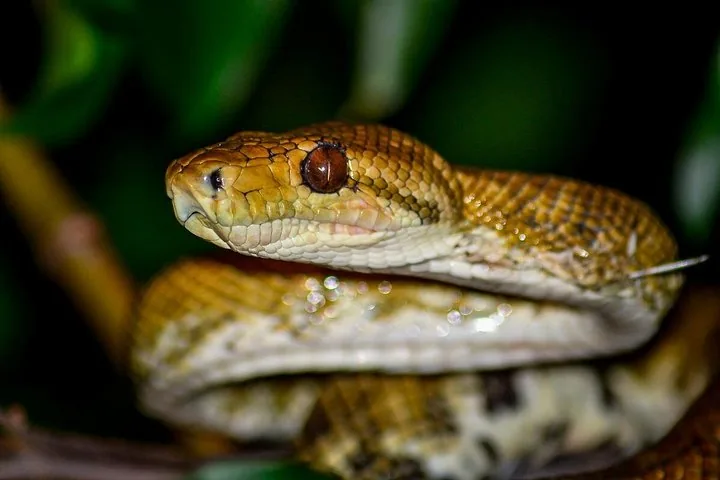
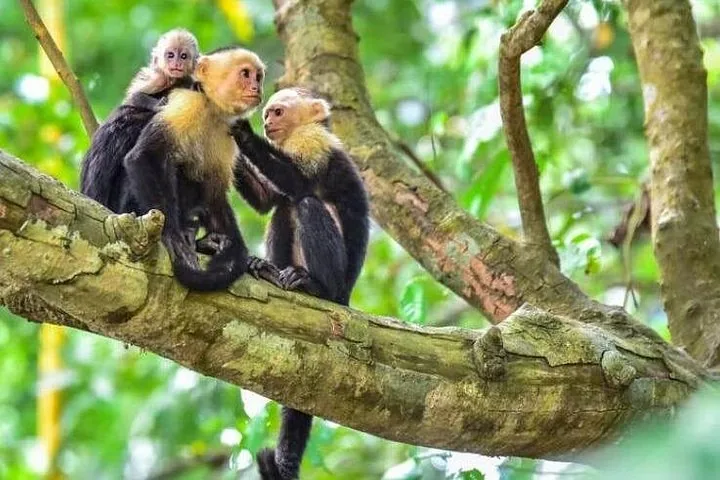
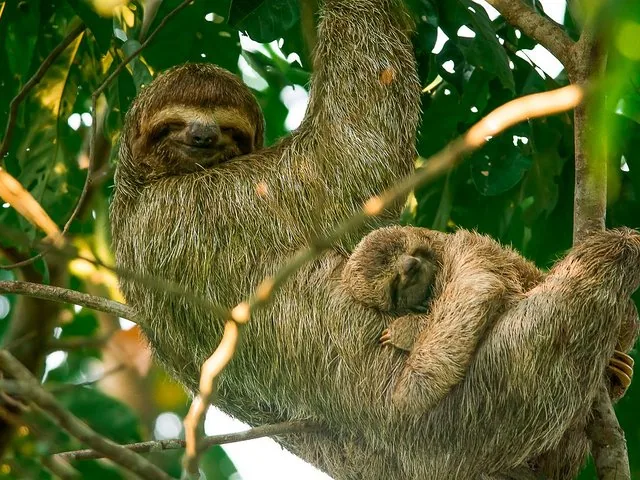
- Expect white-faced capuchin monkeys, sloths, crocodiles, and boas.
- Birdwatchers can spot herons, kingfishers, and ospreys.
- Feeding monkeys is strictly illegal and harms the ecosystem.
In this article
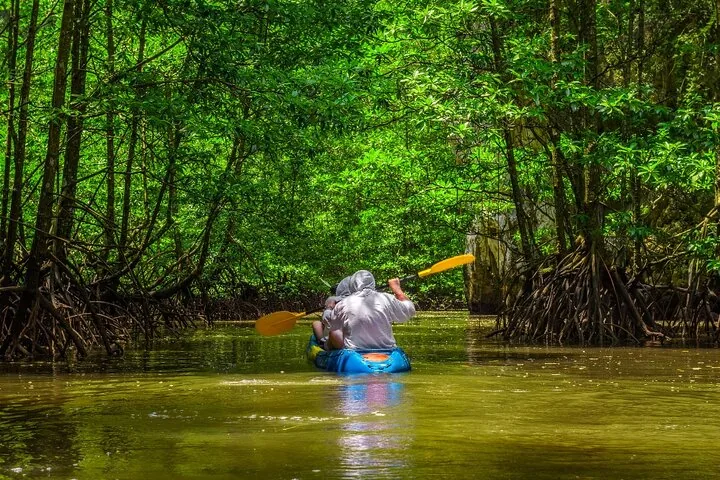
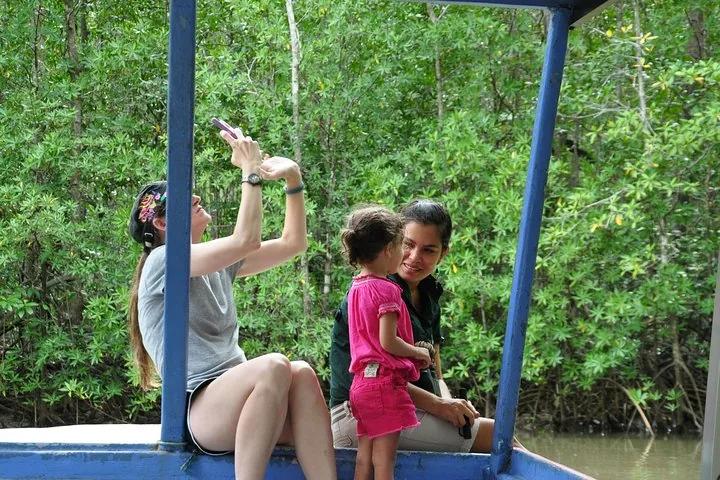
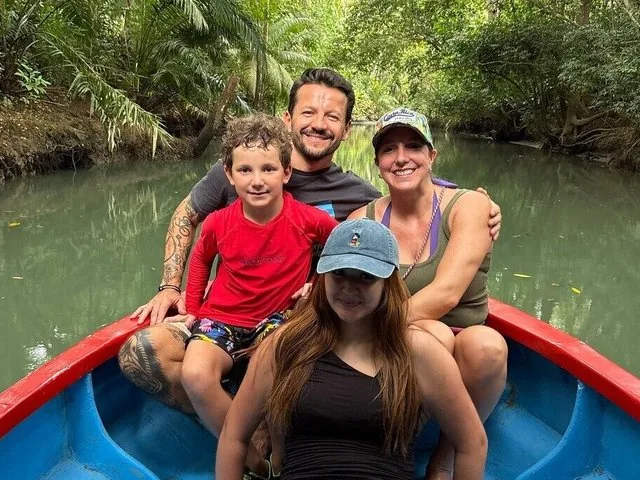
The brackish waterways of Isla Damas host diverse wildlife just 15 to 20 minutes from Manuel Antonio. Navigating these narrow canals by boat or kayak gives you a direct look into a vital marine nursery and coastal forest.
Are there Isla Damas wildlife monkeys and sloths?
Yes, you have a very high chance of seeing white-faced capuchin monkeys and sloths.
The mangrove canopy provides shelter and food for these mammals. You might also spot raccoons, bats, and anteaters in the trees. Keep your voice low to avoid scaring them away before you get a good look.
Are there crocodiles in the Damas mangroves?
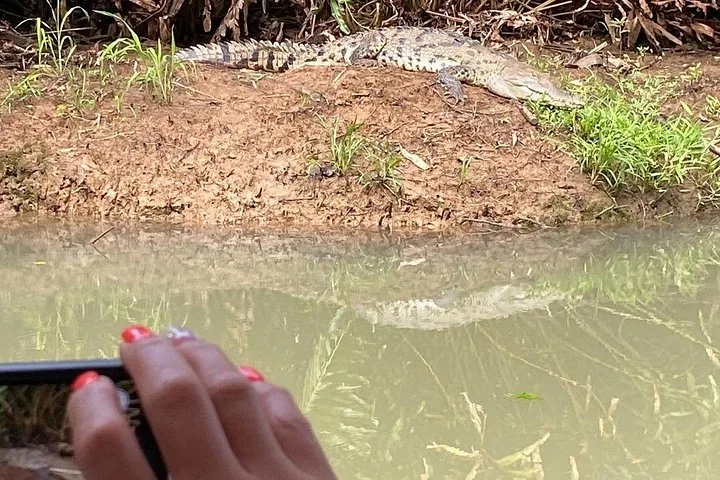
Yes, the estuary is home to both crocodiles and caimans.
You will often see these reptiles sunbathing on the exposed mud flats as the tide shifts. Boa constrictors, lizards, and turtles also live in this habitat. Always follow your guide's safety instructions around the water.
What kinds of birds live in the estuary?
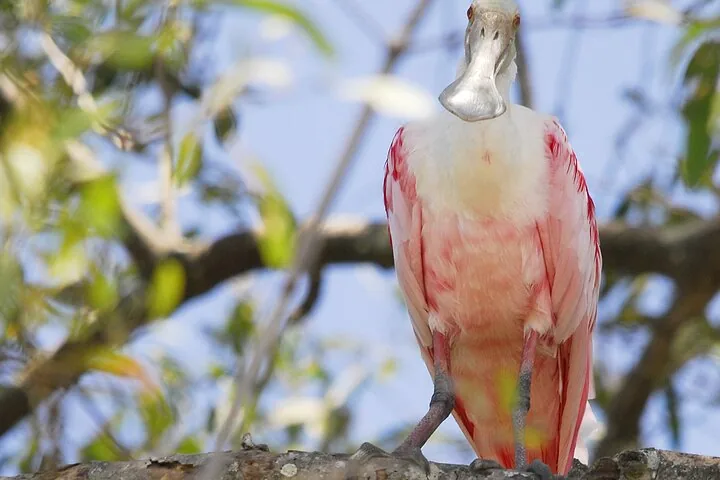
The Damas mangroves are a hotspot for wading and coastal birds.
Photographers should look out for herons, kingfishers, frigate birds, and ospreys. The mud flats attract ibis and other wading species looking for crabs and juvenile fish. A camera with a zoom lens helps capture them in the canopy.
Can you hold or feed monkeys on the tour?
No. Feeding wildlife is illegal in Costa Rica and strictly prohibited by certified guides.
Baiting monkeys with fruit alters their natural diet and harms the delicate ecosystem. Some older online photos show monkeys on tourists, but operators no longer permit this practice. You must observe all animals from a respectful distance.
Do night tours offer different animal sightings?
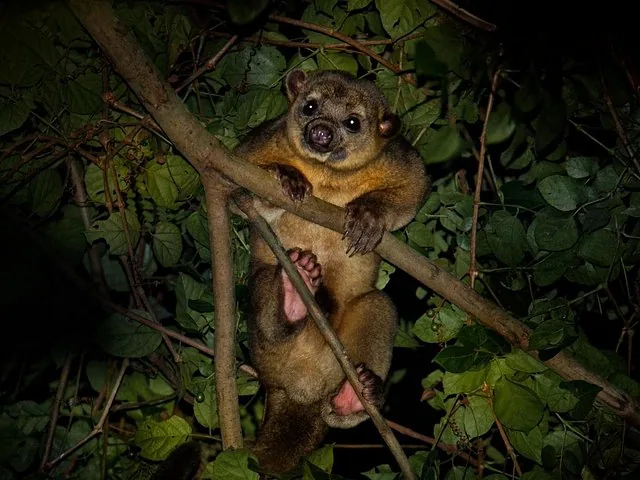
Yes, about 70 percent of the local wildlife is nocturnal.
Night tours typically start around 5:00 PM. Guides use flashlights to help you spot glass frogs, hunting crocodiles, sleeping birds, and nocturnal snakes. Insect repellent is essential for these evening excursions.
When is the best time to see animals in the mangroves?
The dry season from December to April offers sunny skies and calm conditions.
Calm weather makes it easier to spot movement in the branches and water. Regardless of the season, tours depend strictly on the daily high ocean tides. Narrow backwater channels are best accessed by kayak for quieter observations.
Questions travellers ask
What should I wear to see wildlife comfortably?
Wear light, quick-drying clothing and water shoes or secure sandals. Bring reef-safe sunscreen, a hat, and polarized sunglasses to cut water glare so you can see into the shallows.
Do I need to be an expert to kayak and see animals?
No. The water in the estuary is generally flat. Kayaking makes it easy to paddle the backwater channels quietly to see less habituated wildlife up close.
How long does a wildlife tour last?
The actual time on the water navigating the canals is usually around 2 hours. The entire trip takes 3.5 to 4 hours including hotel transfers and a traditional Costa Rican meal.